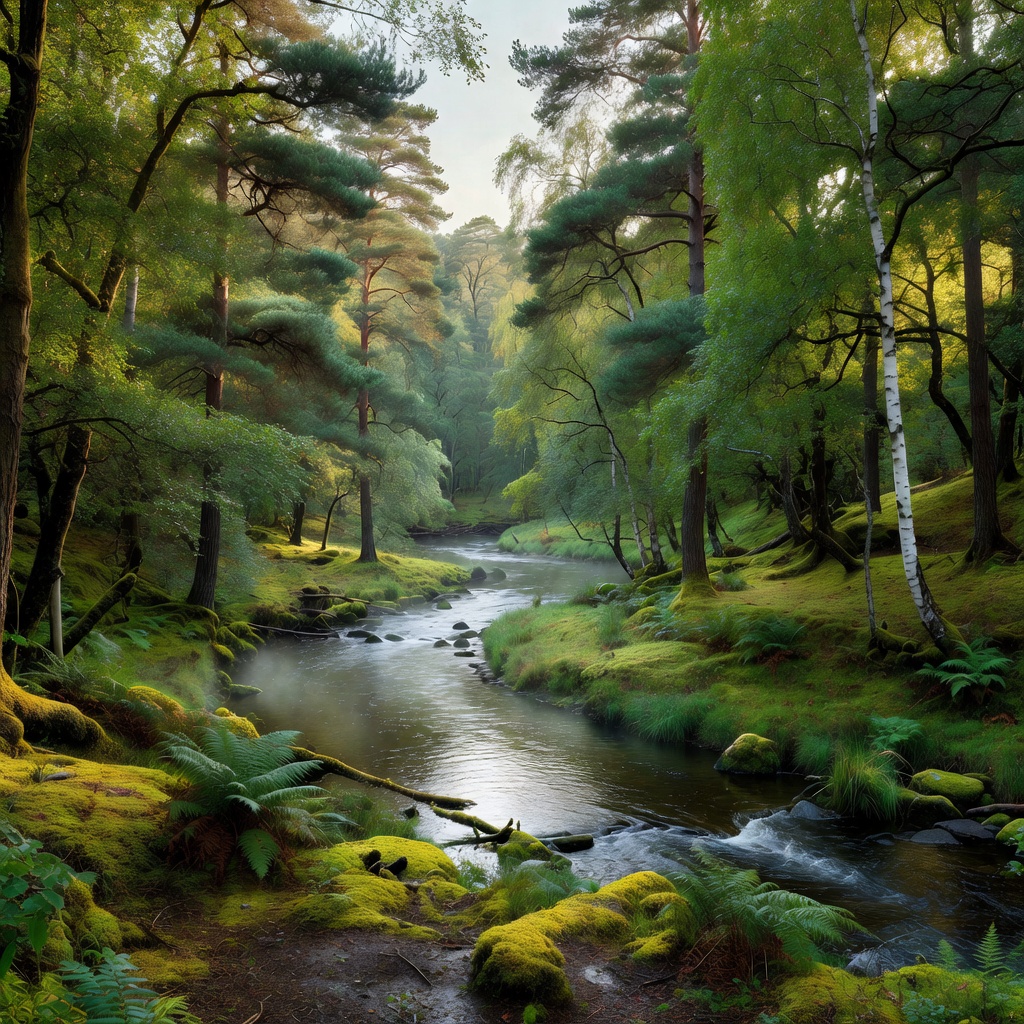
 Speyside ↗Fruit, casks and a misleadingly tidy reputation.
Scotland, beyond the shorthandFive regions.
Five regions.
Rather more
than five flavours.
Islay is smoky. Speyside is sweet. The Lowlands are light. Useful opening remarks, provided the conversation does not end there. Follow the grain, the still and the cask to see what a regional name actually tells you.
Start with a region ↓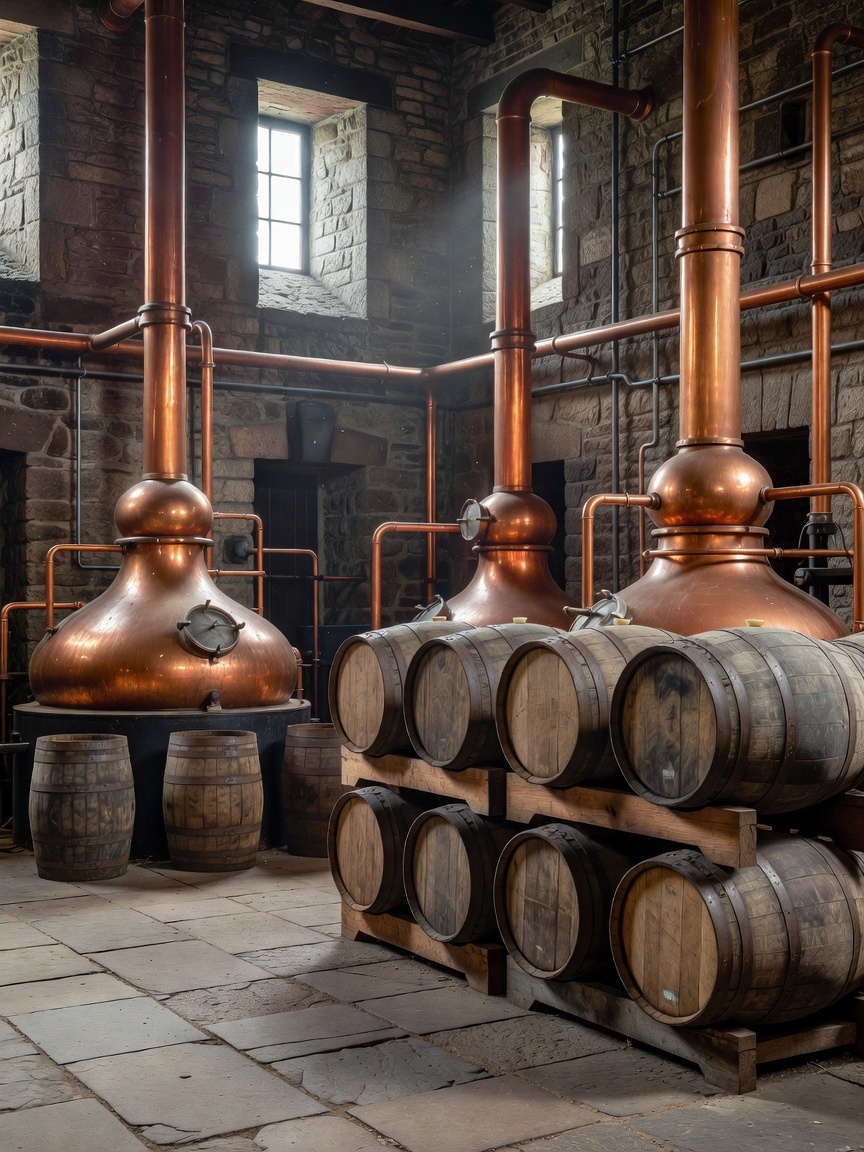
The regional guides
Read the place.
Question the stereotype.
History, fermentation, distillation and maturation: the same questions, with distinctly different answers.
Speyside ↗Fruit, casks and a misleadingly tidy reputation.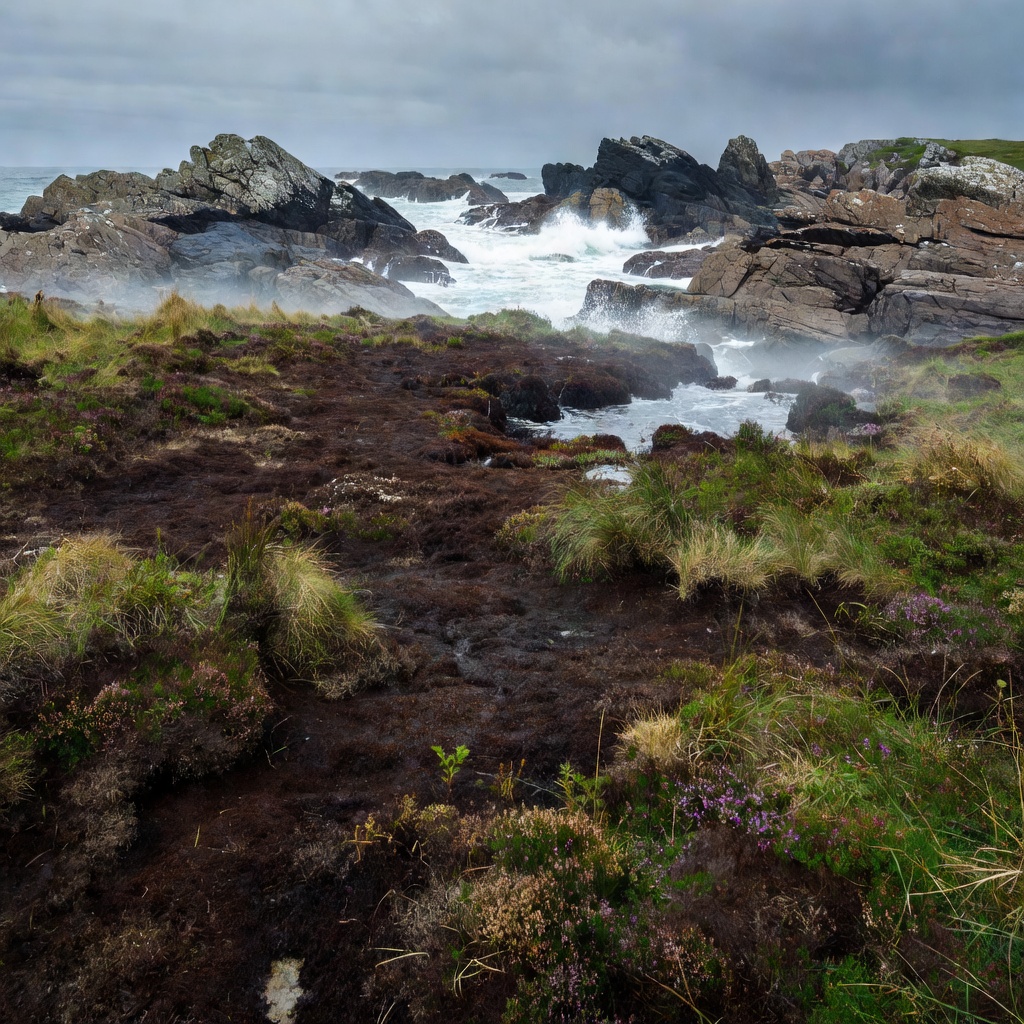 Islay ↗How smoke gets in, and what happens after.
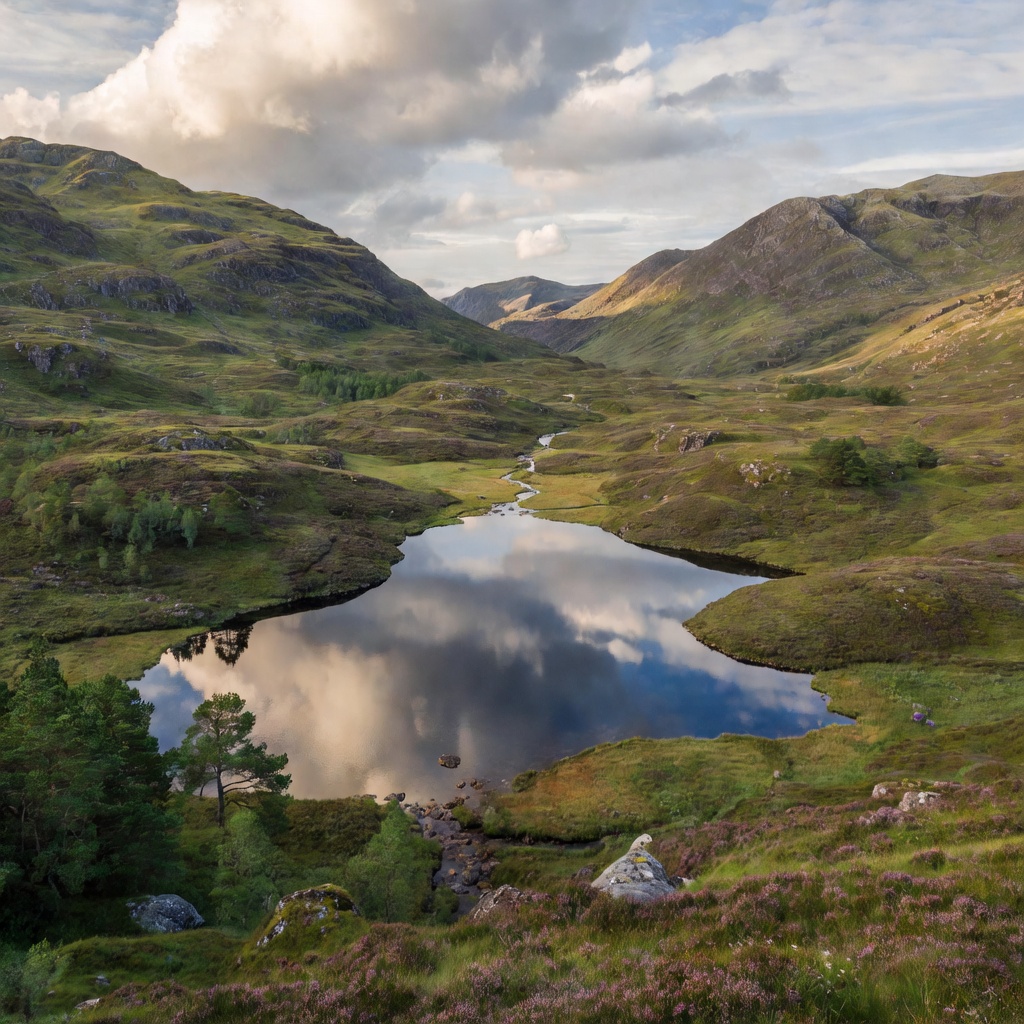 Highlands ↗A large region declining to taste like one thing.
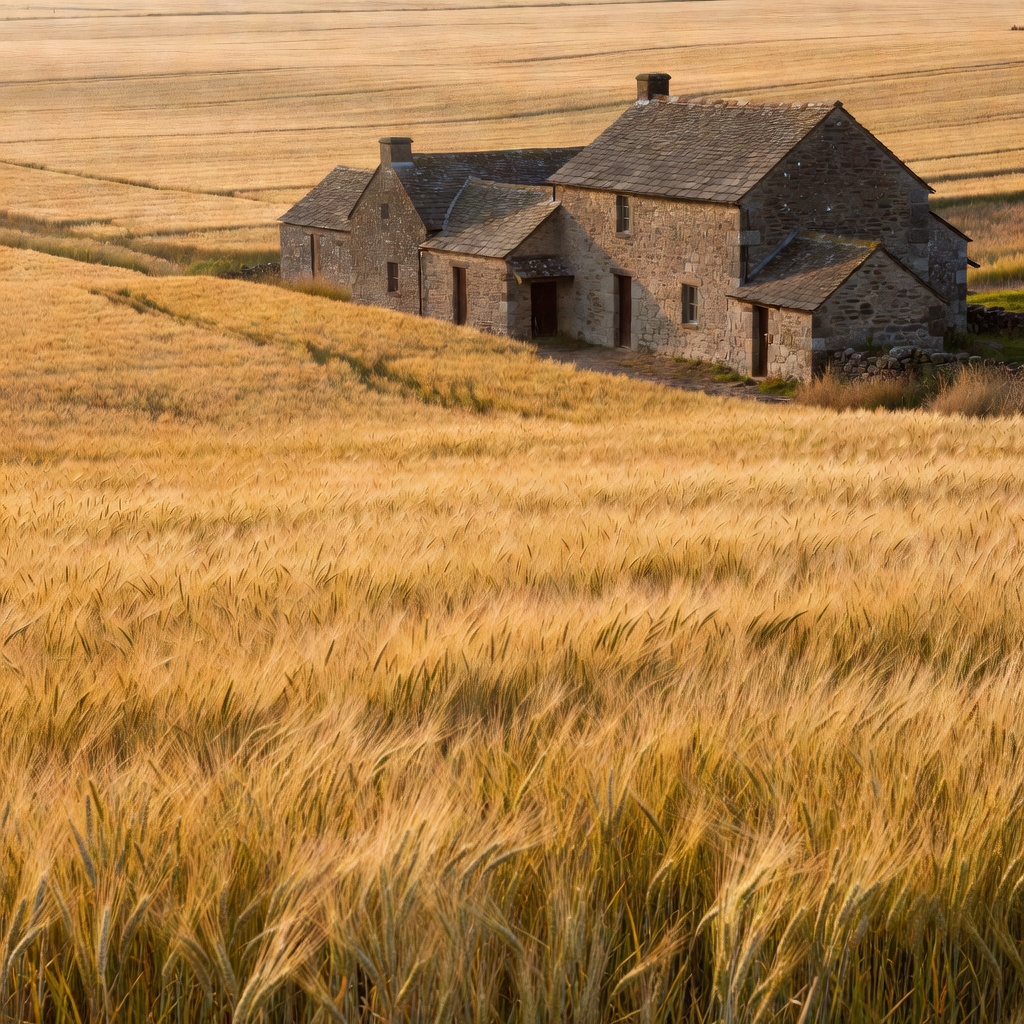 Lowlands ↗Light spirit, substantial industrial history.
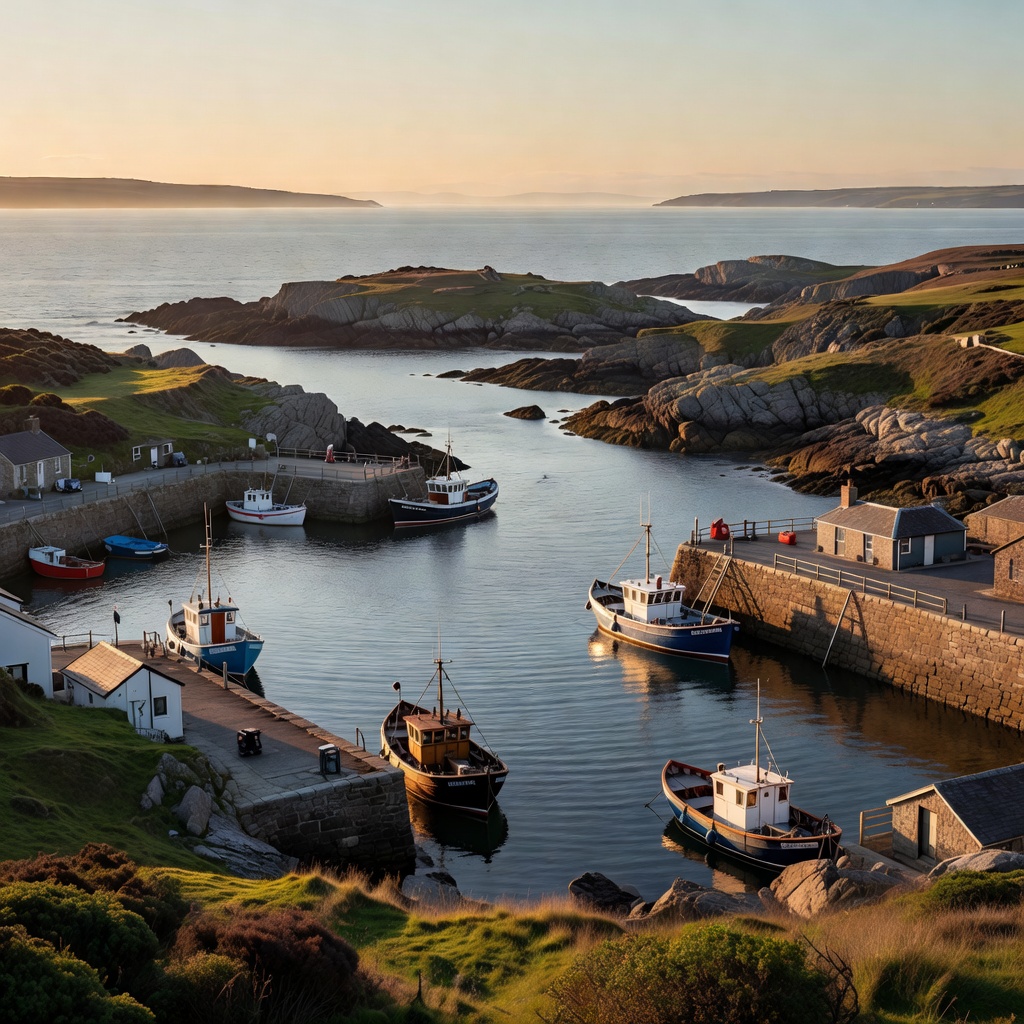 Campbeltown ↗One town, several ways of making character.
A label is not a tasting notePlace comes first.
Place comes first.
It does not come alone.
A regional designation identifies where the whisky was distilled. It does not promise a particular level of peat, a cask recipe or maturation beside the distillery. Those distinctions matter more than a picturesque hillside would care to admit.
Start with the legal category: single malt, single grain, blended malt, blended grain or blended Scotch whisky. Then read the age statement, alcoholic strength and any specific cask information. An age statement describes the youngest whisky in the bottle, not the average and certainly not the age of the building.
The Scotch Whisky Regulations set the legal foundation. The regional guides explain what that foundation can support—and where tasting language starts doing rather more work than the law.
This is an independent editorial guide for adults of legal drinking age. It does not sell alcohol. For information about alcohol and health, visit NHS alcohol advice.